


Blog
HVAC Woes? Get Expert Cooling Solutions.

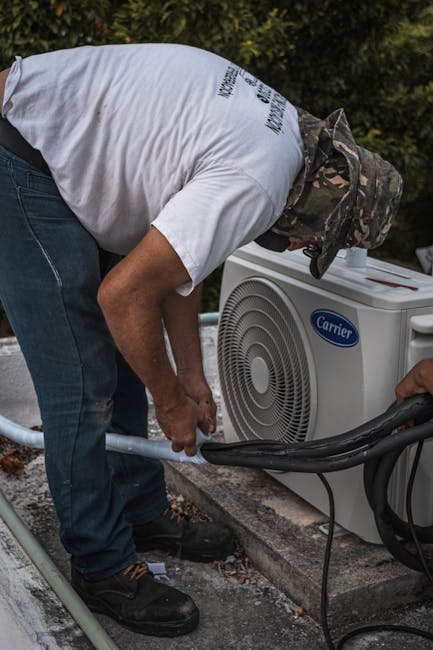
HVAC Woes? Get Expert Cooling Solutions
Summer heat got you down? Is your HVAC system struggling to keep up? Don’t sweat it! This guide offers solutions to common cooling problems and helps you find the right expert for your needs.
Identifying Your Cooling Crisis
Before calling for help, understanding the problem is key. Is your AC blowing warm air? Is it running constantly but not cooling effectively? Or are you experiencing unusually high energy bills? Each symptom points to a different potential issue.
Common Cooling Problems:
* **Insufficient Cooling:** This could indicate a refrigerant leak, a faulty compressor, or simply a system that’s undersized for your space.
* **Warm Air Blowing:** Check your air filter first. A clogged filter restricts airflow. Beyond that, it could be a compressor, condenser, or electrical problem.
* **System Cycling On and Off Frequently:** This could point to a dirty condenser coil, low refrigerant, or a problem with the thermostat.
* **High Energy Bills:** Inefficient systems use more energy. Proper maintenance and potential upgrades can significantly reduce costs.
Finding the Right HVAC Expert
Not all HVAC technicians are created equal. Look for:
* **Licensing and Insurance:** Ensure they’re properly licensed and insured for your protection.
* **Experience and Reviews:** Check online reviews and ask about their experience with your specific system type.
* **Upfront Pricing:** Avoid companies that don’t provide clear, upfront pricing before work begins.
* **Warranty and Guarantees:** Ask about warranties on parts and labor.
Maintaining Your Cooling System
Prevention is better than cure. Regular maintenance can extend the life of your HVAC system and prevent costly repairs.
Essential Maintenance Tasks:
* **Change air filters regularly:** This is the single most important thing you can do.
* **Clean condenser coils:** A dirty condenser restricts airflow and reduces efficiency.
* **Schedule annual inspections:** A professional inspection can identify potential problems before they become major issues.
Upgrade Your Cooling System
If your current system is outdated or inefficient, an upgrade might be worthwhile. Newer systems are often more energy-efficient, quieter, and offer better features. Consider:
* **Energy efficiency ratings (SEER):** Higher SEER ratings mean lower energy consumption.
* **System type:** Different types of systems (split systems, heat pumps, ductless mini-splits) have different advantages and disadvantages. A professional can help you choose the best option for your home.
Takeaway List:
* Identify the problem accurately.
* Choose a licensed and reputable HVAC expert.
* Maintain your system regularly.
* Consider upgrading for better efficiency.
Frequently Asked Questions:
**Q: How often should I change my air filter?**
**A:** Ideally, every 1-3 months, or more frequently if you have pets or allergies.
**Q: What is refrigerant, and why is it important?**
**A:** Refrigerant is the substance that absorbs heat from your home. Leaks lead to poor cooling.
**Q: How can I tell if my system needs refrigerant?**
**A:** Only a qualified technician can properly diagnose refrigerant leaks.
**Q: What’s the difference between a heat pump and a traditional air conditioner?**
**A:** Heat pumps can both heat and cool, while traditional ACs only cool.
**Q: How much should I expect to pay for HVAC repair or maintenance?**
**A:** Costs vary greatly depending on the problem and your location. Get multiple quotes.
**Q: How can I improve my home’s overall cooling efficiency?**
**A:** Proper insulation, sealing air leaks, and using window coverings can all help.
**Q: What is SEER rating?**
**A:** The Seasonal Energy Efficiency Ratio (SEER) measures the cooling efficiency of your air conditioner. Higher is better.