


Blog
Is Your HVAC System Ready for Summer?

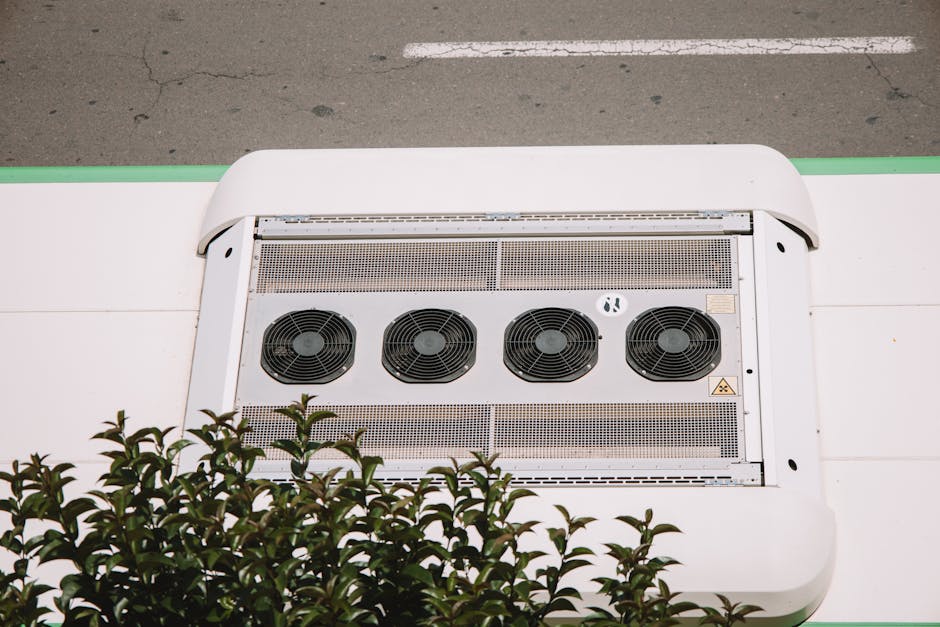
- Is Your HVAC System Ready for Summer?
- Inspecting Your System: A DIY Checklist
- Air Filter Check:
- Outdoor Unit Examination:
- Thermostat Test:
- Professional HVAC Maintenance: When to Call the Experts
- Why Professional Maintenance Matters:
- What to Expect During a Professional Check:
- Boosting Your Cooling Efficiency
- Smart Thermostats:
- Regular Filter Changes:
- Preparing for Unexpected Issues
- Emergency Contact Information:
- Backup Cooling Options:
- Takeaway List: Get Ready for Summer Heat!
- Frequently Asked Questions (FAQs)
Is Your HVAC System Ready for Summer?
Summer’s scorching heat is just around the corner. Is your HVAC system prepared to keep you cool and comfortable? Don’t wait until the temperatures soar to discover a problem. Now’s the time for a pre-summer checkup.
Inspecting Your System: A DIY Checklist
Before calling a professional, you can perform a quick visual inspection. This might save you a service call if the issue is minor.
Air Filter Check:
Check your air filter. A dirty filter restricts airflow, reducing cooling efficiency and potentially damaging your system. Replace it with a new one if it’s dirty or clogged. This is the single easiest thing you can do.
Outdoor Unit Examination:
Inspect your outdoor unit (condenser). Clear away any debris like leaves, branches, or overgrown vegetation. Ensure there’s adequate space around it for proper ventilation. A clogged unit struggles to dissipate heat.
Thermostat Test:
Test your thermostat. Ensure it’s accurately displaying the temperature and responding correctly to your settings. A faulty thermostat can lead to inconsistent cooling.
Professional HVAC Maintenance: When to Call the Experts
While DIY checks are helpful, a professional HVAC inspection is crucial for thorough assessment. A technician can identify and address potential problems you might miss.
Why Professional Maintenance Matters:
Professional maintenance goes beyond simple cleaning. Technicians inspect components, check refrigerant levels, lubricate moving parts, and identify potential issues before they escalate into costly repairs or breakdowns. This proactive approach prevents summer cooling failures.
What to Expect During a Professional Check:
A typical service includes inspecting the compressor, condenser coils, evaporator coils, blower motor, and refrigerant levels. They’ll also clean the system and check electrical connections.
Boosting Your Cooling Efficiency
Even a well-maintained system can benefit from efficiency upgrades.
Smart Thermostats:
Consider upgrading to a smart thermostat. These programmable thermostats learn your habits and optimize cooling schedules, saving energy and money. They often offer remote control via a smartphone app.
Regular Filter Changes:
Remember, regular air filter changes are key. Aim for replacing them every 1-3 months, depending on usage and filter type.
Preparing for Unexpected Issues
Despite your best efforts, unexpected HVAC problems can occur. Having a plan in place will minimize discomfort.
Emergency Contact Information:
Keep your HVAC technician’s contact information readily available. Knowing who to call in an emergency saves valuable time.
Backup Cooling Options:
Consider having backup cooling options, especially during extended power outages. This could include portable fans or window units.
Takeaway List: Get Ready for Summer Heat!
* Check and replace your air filter.
* Clear debris from your outdoor unit.
* Test your thermostat.
* Schedule professional HVAC maintenance.
* Consider a smart thermostat upgrade.
* Keep your technician’s contact information handy.
* Have backup cooling options ready.
Frequently Asked Questions (FAQs)
**Q: How often should I schedule professional HVAC maintenance?**
**A:** Ideally, once a year, ideally in the spring before summer’s heat arrives.
**Q: How much does professional HVAC maintenance cost?**
**A:** Costs vary depending on location and the specific services required.
**Q: What are the signs of a failing HVAC system?**
**A:** Inconsistent cooling, unusual noises, leaking, high energy bills, and weak airflow are all potential warning signs.
**Q: Can I clean my HVAC system myself?**
**A:** You can clean the exterior and filter, but internal cleaning and repairs require professional expertise.
**Q: How can I reduce my cooling costs?**
**A:** Regular maintenance, proper insulation, using window coverings, and setting your thermostat higher when away can all help.
**Q: What’s the difference between an air conditioner and an HVAC system?**
**A:** An air conditioner only cools. An HVAC system (Heating, Ventilation, and Air Conditioning) handles both heating and cooling, often incorporating ventilation features as well.
**Q: My AC is blowing warm air, what should I do?**
**A:** This is a serious issue requiring immediate professional attention. Don’t attempt DIY repairs.